
Structural Improvements That Reduce Storm Damage
Tree Trimming and Pruning in Neosho for hazard reduction and healthy growth patterns
Overgrown branches create leverage points during high winds, increasing the likelihood of limb failure that damages roofs, vehicles, and power lines. Bussey's Tree Service completes trimming and pruning projects with careful attention to proper techniques that protect tree health while removing weight from vulnerable branch unions. Each cut follows established arboriculture guidelines for angle, location, and timing to avoid creating entry points for disease or triggering excessive regrowth.
Pruning improves tree structure by removing crossing branches, correcting growth patterns, and eliminating deadwood that becomes hazardous during storms common to the Neosho area. The service also enhances curb appeal by shaping canopies to complement property aesthetics while maintaining the tree's natural form. Complete debris removal follows every project, leaving properties clean without requiring additional cleanup effort.
Schedule seasonal tree maintenance to address growth before branches become safety concerns.
Improper cuts damage the branch collar, preventing trees from sealing wounds and leaving them vulnerable to rot, insect infestation, and fungal infection. Certified crews make cuts just outside the branch collar at the correct angle, allowing trees to compartmentalize damage naturally. This approach avoids flush cuts that remove protective tissue and stub cuts that leave decay-prone wood exposed.
After pruning, you notice improved light penetration through the canopy, reduced interference with structures and utilities, and balanced weight distribution that lowers storm damage risk. Trees develop stronger branch architecture as energy redirects to remaining limbs, producing denser foliage in desired areas rather than weak, fast-growing shoots from improper cuts. Properties gain trees that require less frequent intervention and present fewer hazards over time.
The service includes evaluations to determine optimal pruning levels, as removing too much canopy stresses trees and triggers survival responses that produce poorly attached sprouts. Crews assess tree species, age, health status, and seasonal timing to customize pruning intensity, ensuring trees retain enough foliage to sustain photosynthesis while achieving structural and aesthetic goals.
Answers to Frequent Service Questions
Homeowners often have questions about pruning timing, techniques, and what results to expect from professional tree trimming services.
What time of year works best for tree pruning?
Most pruning occurs during dormancy in late winter before spring growth begins, though hazard removal and deadwood elimination can happen year-round. Species-specific exceptions apply, such as oaks in Neosho which should avoid pruning during active oak wilt transmission periods in spring and early summer.
How much of a tree's canopy can be safely removed?
Industry standards recommend removing no more than twenty-five percent of a tree's canopy in a single season to avoid stress and excessive regrowth. Larger reductions require phased approaches over multiple years to maintain tree health.
What equipment is used for different pruning situations?
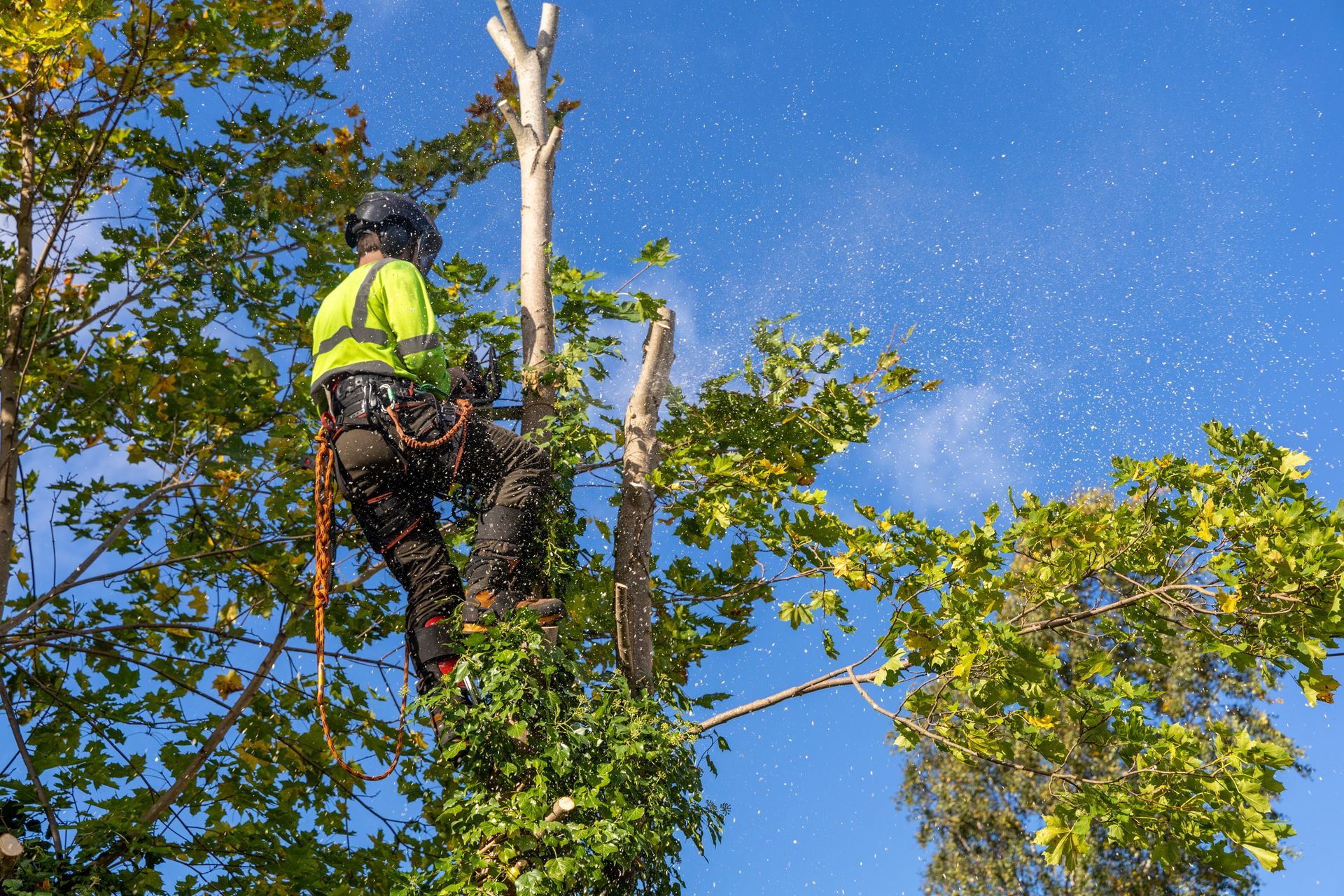
Hand pruners and pole saws handle small branches, while larger limbs require rigging systems and chainsaws to control descent and prevent damage to property or surrounding vegetation. Bucket trucks provide access to tall canopies without climbing spikes that injure bark.
How does pruning reduce storm damage risk?
Removing deadwood eliminates brittle branches that break easily, while thinning dense canopies reduces wind resistance and allows air to pass through rather than creating sail effects that uproot trees or snap trunks.
What happens to branches and debris after trimming?
Complete cleanup includes chipping branches, hauling away debris, and clearing work areas, leaving properties ready for use without requiring additional disposal arrangements.
Efficient crews at Bussey's Tree Service follow proper pruning techniques that protect tree health and reduce long-term safety hazards. Request a free estimate to address overgrown trees or schedule seasonal maintenance tailored to your property.